




Banking sector’s net foreign assets rise to $23.73bn in November 2025: CBE
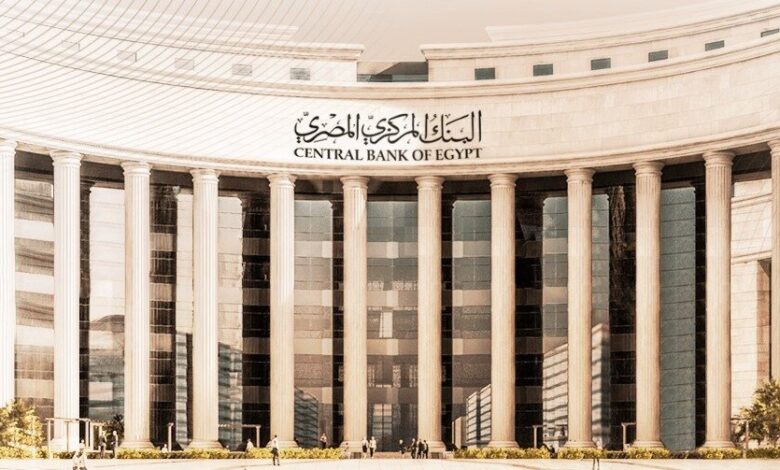
The Central Bank of Egypt (CBE) reported that the net foreign assets (NFA) of the Egyptian banking sector increased to approximately $23.732bn, equivalent to EGP 1.13trn, in November 2025. This compares with $22.656bn (around EGP 1.07trn) in October, representing a rise of about $1.1bn and a monthly growth rate of 5%.
The CBE noted that net foreign assets have maintained an upward trajectory for the sixth consecutive month. At the central bank level, NFAs rose by 1% to $11.88bn, while holdings at commercial banks increased by 9% for the third consecutive month to $11.85bn.
The CBE also reported that the total foreign assets of the banking sector, including the central bank and commercial banks, reached EGP 4.421trn in November, up from EGP 4.366trn in October. Meanwhile, total foreign liabilities stood at EGP 3.290trn, slightly lower than EGP 3.295trn recorded in the previous month.
Net foreign assets represent the difference between foreign currency assets, such as deposits and securities, held by the central bank and commercial banks, and their foreign currency liabilities. A positive NFA position indicates that the banking sector holds a surplus of foreign currency over its obligations, while a negative figure means that liabilities exceed assets.
Egypt’s banking sector slipped into negative net foreign assets in February 2022, amid a foreign currency shortage triggered by the Russia–Ukraine war and global inflationary pressures. The position remained negative until May 2024, when it returned to positive territory following the Ras El-Hekma deal.

Banking expert Mohamed Abdel Aal attributed the recent increase in net foreign assets to stronger foreign currency inflows, particularly from remittances, exports, and tourism revenues. He stressed that sustained growth in NFAs is essential for maintaining confidence in banks’ ability to meet both domestic and international obligations, support corporate and retail clients, and sustain foreign investment inflows into government debt instruments. Abdel Aal also noted that continued foreign currency inflows contribute to strengthening the Egyptian pound against the US dollar.
Meanwhile, banking expert Shaimaa Wagih said that a positive net foreign asset position indicates that the banking sector holds a foreign currency surplus exceeding its liabilities, sending a strong signal of banks’ ability to meet market demand for foreign currency without pressure. This, she explained, boosts investor confidence in the country’s monetary stability.
Wagih noted that the shift from negative net foreign assets in February 2022, caused by foreign currency shortages and the economy’s exposure to the Russia-Ukraine war and global inflationary shocks, to positive territory since May 2024, following the Ras El-Hekma deal, reflects the success of monetary and banking policies in restoring the sector’s international financial balance.
She added that higher net foreign assets support exchange rate stability by enabling the central bank to intervene flexibly in the foreign exchange market, helping to protect the Egyptian pound from sharp fluctuations. The surplus also enhances banks’ capacity to finance the real economy, including export- and investment-driven projects, while reducing reliance on costly external borrowing.
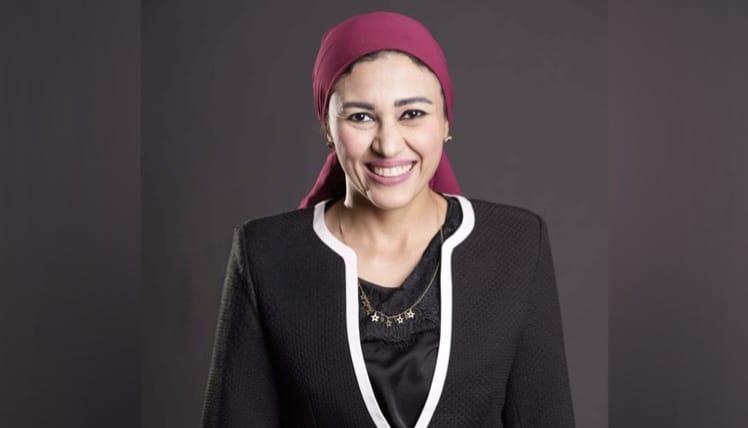
According to Wagih, a growing net foreign asset position signals Egypt’s increased ability to meet international obligations, strengthens its attractiveness to foreign direct investment, and reinforces financial stability at the regional level. The presence of a foreign currency surplus also provides banks with greater liquidity management flexibility, helping to mitigate pressures during periods of economic volatility or unexpected shocks.
She stressed that the rise in net foreign assets is not merely a temporary improvement, but rather reflects the long-term impact of central bank and government financial policies. These include gradual regulation of the foreign exchange market, strengthening official reserves, enhancing the banking sector’s role in supporting exports and investment projects, and rebuilding both domestic and international confidence in Egypt’s ability to manage monetary challenges.
Wagih concluded that maintaining a balanced foreign currency position requires continued monitoring of inflows, directing surpluses towards productive sectors, particularly small and medium-sized enterprises and exports, and investing in safe financial instruments to maximise returns without compromising liquidity.
The increase in net foreign assets to $23.732bn in November 2025 is therefore not only a statistical improvement, but also a clear signal of foreign currency stability and the Egyptian economy’s recovery from previous crises. The surplus strengthens banks’ ability to finance the real economy, support exports, attract investment, and reinforce confidence in Egypt’s financial system, both domestically and internationally.
The post Banking sector’s net foreign assets rise to $23.73bn in November 2025: CBE first appeared on Dailynewsegypt.