





Finance Minister targets higher spending on industry, exports and human development
Ahmed Kouchouk, Minister of Finance, said the Egyptian economy is showing signs of improvement, affirming the ministry’s commitment to continuing fiscal facilitations without imposing additional burdens on investors or citizens. He stressed that fiscal policy will remain balanced and comprehensive, with a stronger focus on stimulating economic activity.
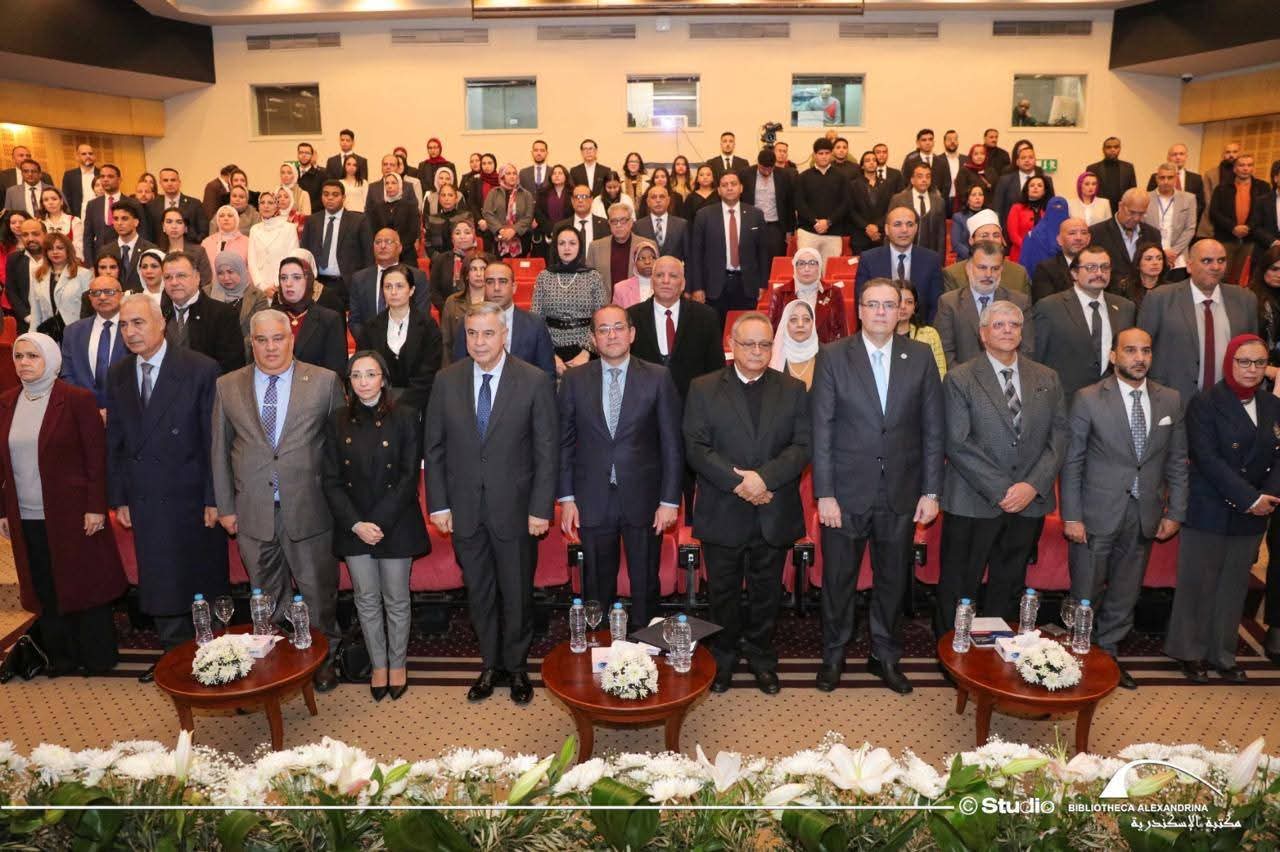
Speaking during a dialogue session at the Bibliotheca Alexandrina, attended by experts, academics, university professors and students, Kouchouk said the new budget contains “a great deal of positive news” for the economy and citizens alike. He noted that any fiscal space generated from real economic activity would be channelled towards sectors that directly affect people’s lives.
“We are targeting increased allocations to support industrial and export activities, as well as human development, to drive both economic and social progress,” he said. He added that the ministry plans to expand funding for technical education, aiming to build strong partnerships with the private sector that support manufacturing, boost exports and provide a skilled workforce.
Kouchouk pointed to the rise in exports of information technology services from $500m to nearly $5bn as evidence of the capabilities and potential of Egyptian youth. He said the government is working intensively to develop state revenues by improving services, broadening the tax base and expanding the role of the private sector in economic activity.
The minister emphasised the government’s goal of creating a clearer and more stable business environment based on fair competition and effective incentives linked to tangible results. He described the “facilitations” initiative as an ongoing process aimed at expanding the economic, productive, tax and customs base.
Kouchouk said exports of goods and services are expected to become the main driver of growth and competitiveness in the Egyptian economy. “The more we produce and export, the more we can increase spending to improve citizens’ living conditions,” he noted. He added that domestic and foreign private sector investment rose by 73% during the previous fiscal year, reflecting strong confidence in the private sector, which the government continues to support to enhance competitiveness and growth.
He stressed that efforts are underway to strengthen trust and build a genuine partnership with the business community and citizens through maximum flexibility, simplification and facilitation.
Kouchouk said funding partners played a key role in the success of the facilitation initiative, which helped increase tax revenues by EGP 600bn, or 35%, without imposing new burdens. He noted that revenue authorities are leading the reform process, with continuous development aimed at delivering better services.
He added that the second package of tax facilitations focuses on providing further incentives and support to long-standing and committed partners. A mobile application for real estate transactions will be launched, while the tax rate will remain unchanged at 2.5% of the unit’s sale value for individuals, regardless of the number of transactions.
The minister also announced that value-added tax on medical devices will be reduced from 14% to 5% to encourage investment in the healthcare sector. He said the simplified and integrated tax system is designed to support small taxpayers with annual turnover of up to EGP 20m through unprecedented incentives.
Kouchouk affirmed that, backed by strong political will, the government is seeking a tangible and disciplined improvement in budget-sector debt indicators. He said ongoing dialogue on public debt reflects the importance of the issue, with proposals and ideas being taken seriously.
He noted that the budget-sector debt-to-GDP ratio declined from 96% to 84% over two years, compared with a 6.5% increase in emerging markets over the same period. External debt of budget-sector entities also fell by around $4bn during the same period, meaning more debt was repaid than borrowed.
Alexandria Governor Ahmed Khaled Hassan highlighted the positive momentum in fiscal policy, describing it as a powerful tool for economic growth. He said achieving a balance between fiscal discipline and stability, while stimulating economic activity, would be reflected in improved living standards for citizens.
He added that Egypt is steadily continuing its economic reform path through realistic policies aimed at strengthening business confidence, supported by successive packages of fiscal, tax and customs facilitations that bolster national industry and stimulate exports, enhancing overall competitiveness.
Ahmed Zayed, Director of the Bibliotheca Alexandrina, praised the finance minister’s commitment to open economic dialogue based on a realistic, balanced and investment-friendly vision. He said the Bibliotheca serves as an interactive platform connecting decision-makers with citizens.
Zayed noted that the Egyptian economy has witnessed significant improvement over the past year, as widely acknowledged, adding that the tax facilitation initiative proved effective during the last fiscal year and contributed to restoring confidence in the Egyptian economy.
The post Finance Minister targets higher spending on industry, exports and human development first appeared on Dailynewsegypt.